From Storm Gods to Sacred Waters
WORDS
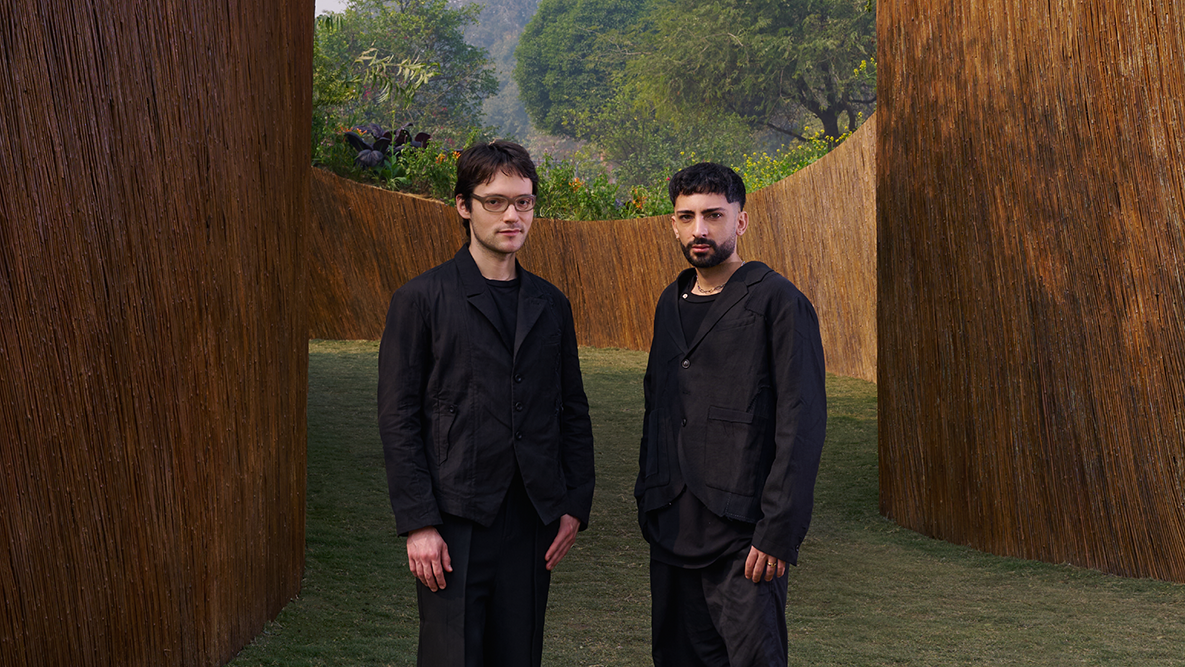
Tara Lal & Ishani Singh
PUBLISHED
Jan 23, 2025
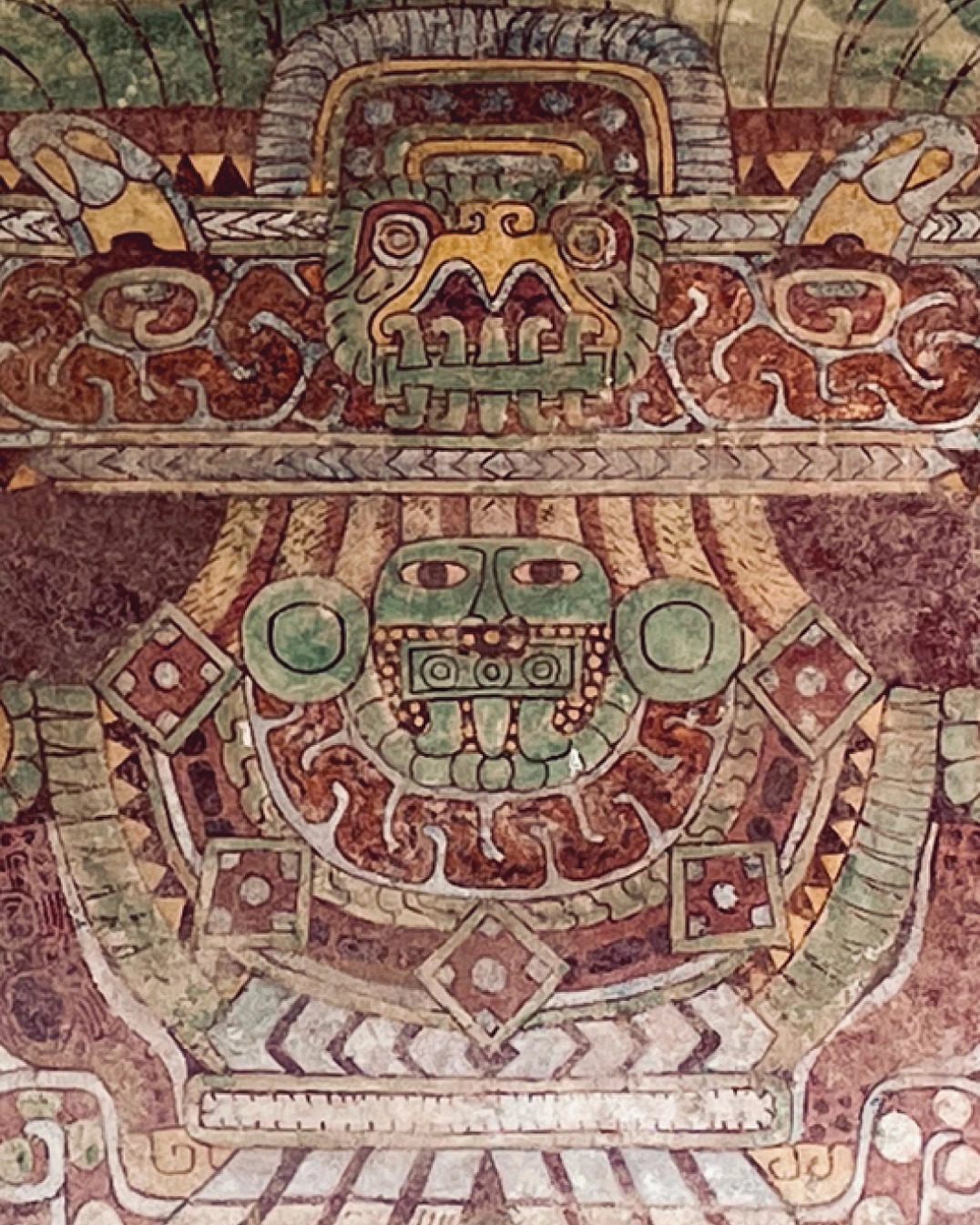
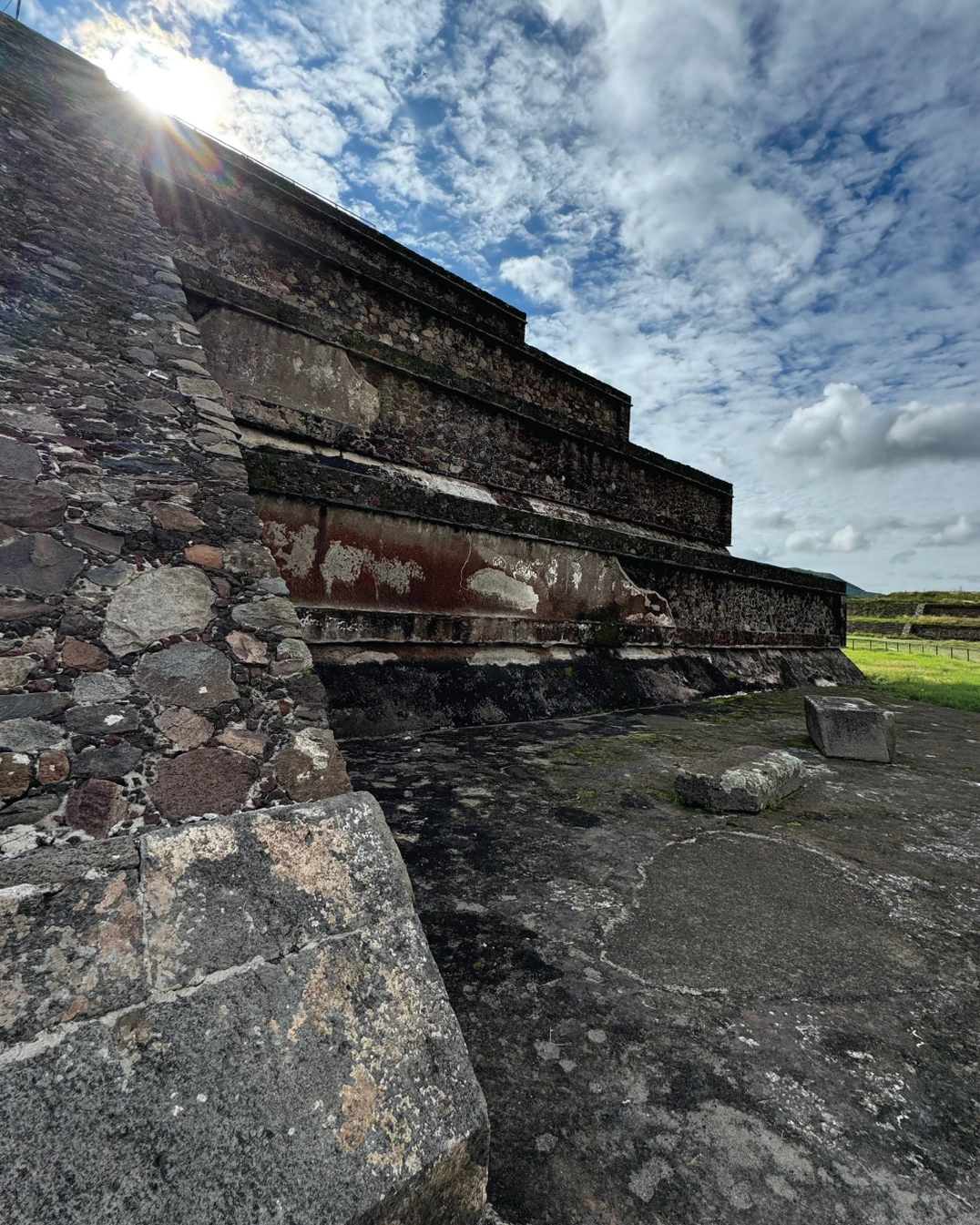
My journey to Mexico became more than just an exploration—it was a profound connection to the land and its history. Standing in the ancient city of Teotihuacan, I could almost feel the weight of centuries around me. The towering pyramids, long believed to be dedicated to the sun, revealed themselves as temples to the storm gods, who brought the vital rains to this dry, dusty landscape. It was a revelation: Chaac, the ancient storm deity, wasn’t just a figure of power; he represented life itself in a terrain that depended on every drop of water.
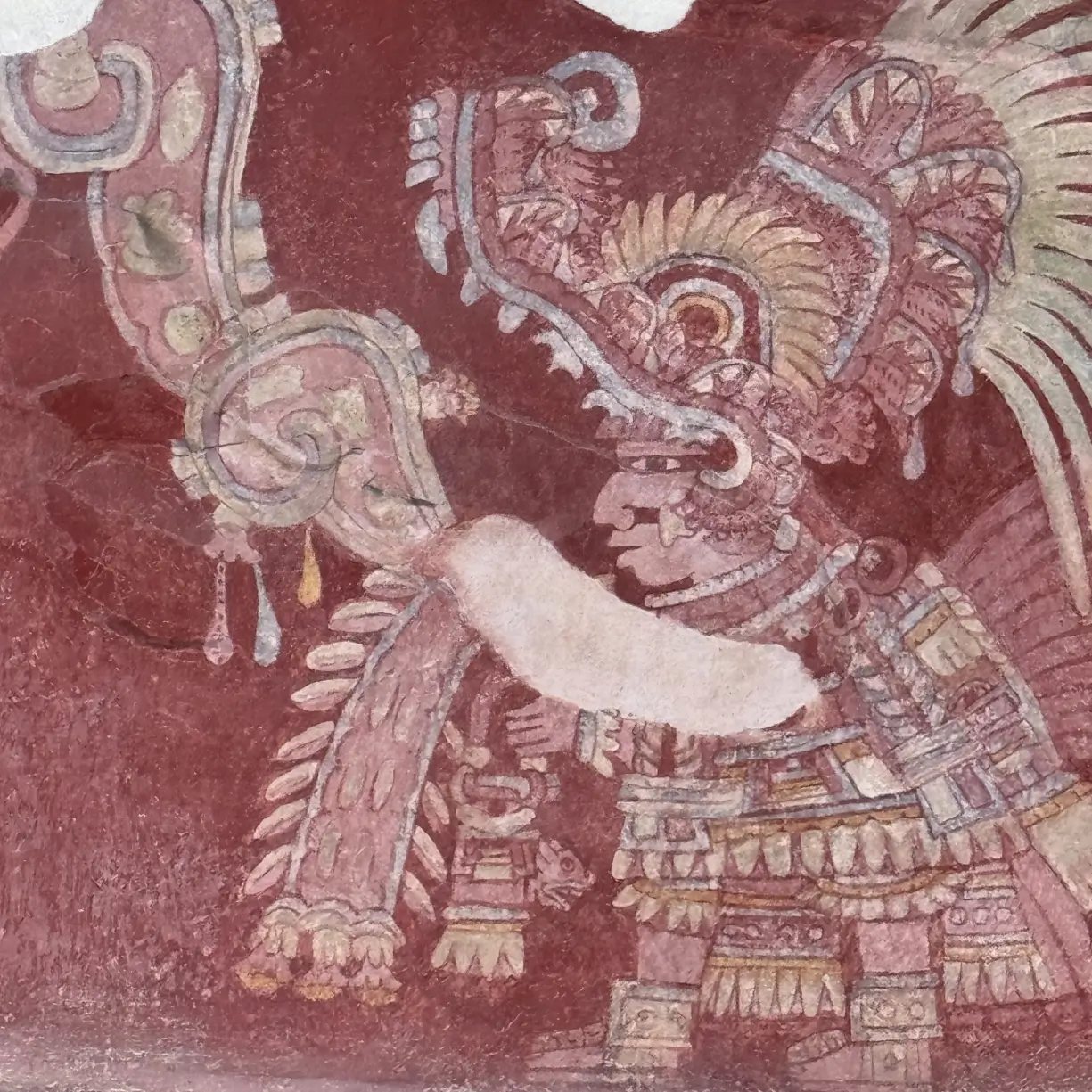
A mural in Teotihuacán
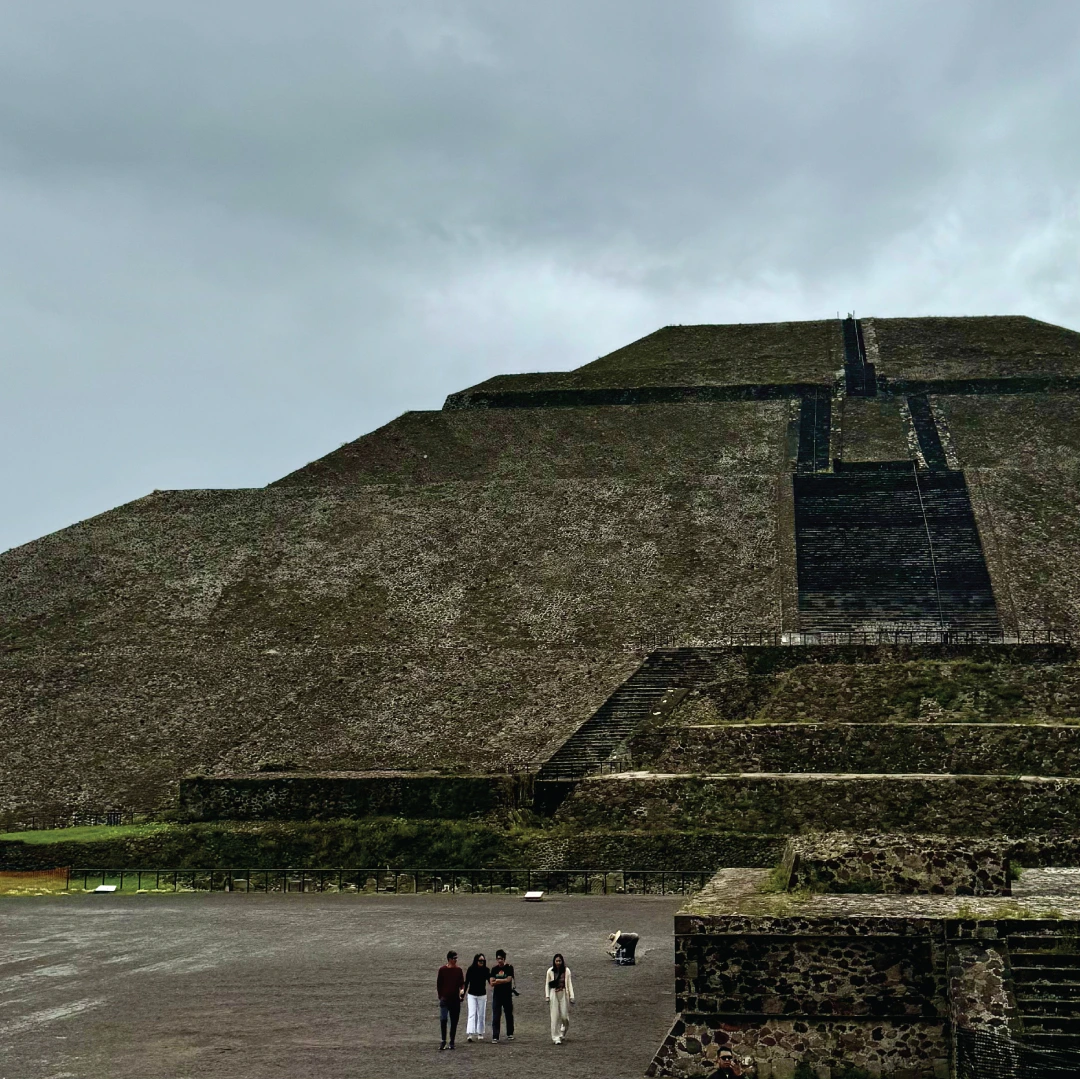
Pyramid of the Sun | Teotihuacán
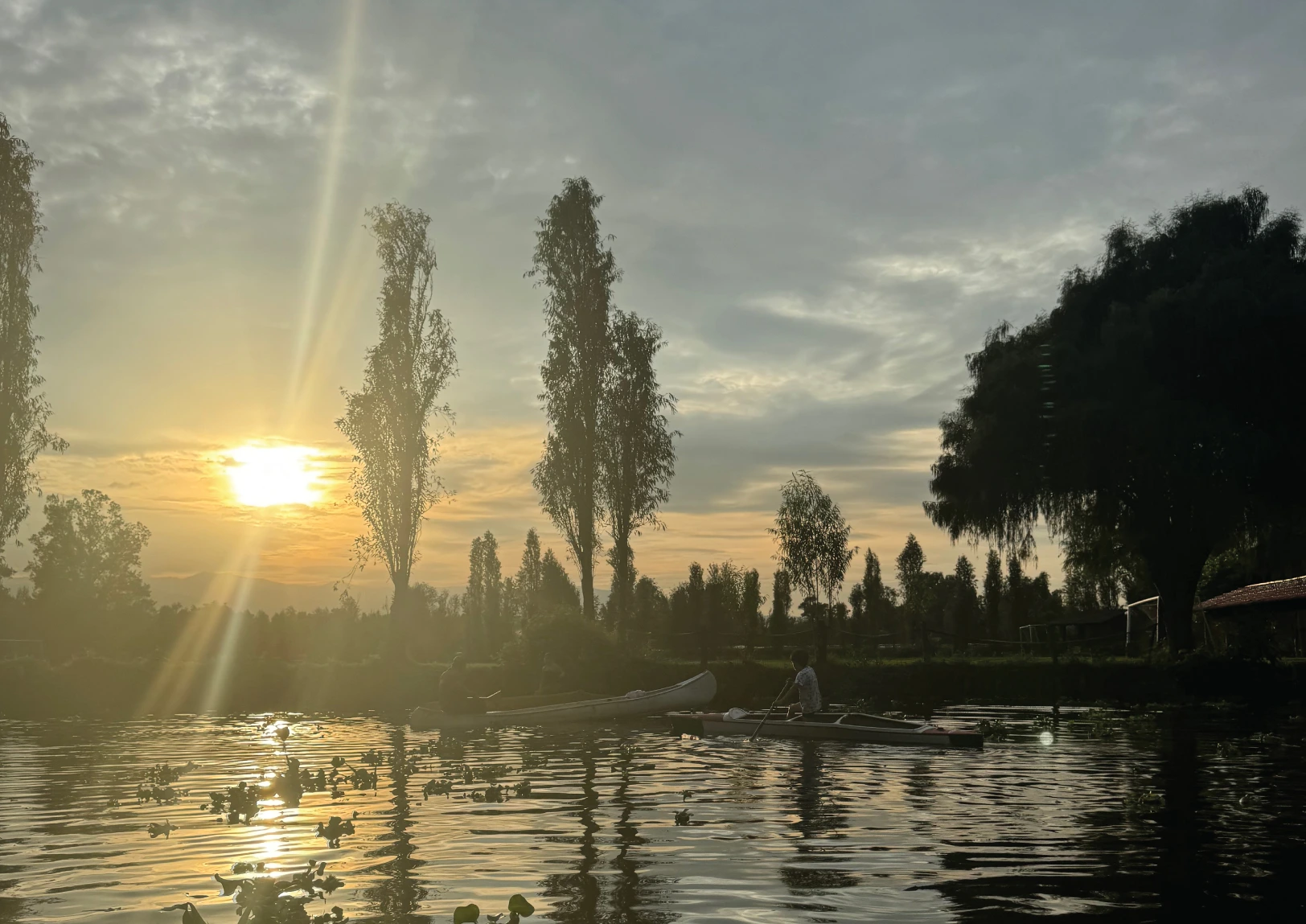
The people here revered storms for the rain that gave life to their lands—a deep respect that stood in sharp contrast to Hernán Cortés’s conquest. His actions not only destroyed civilizations but also unraveled the delicate ecological systems that sustained them. Draining Lake Texcoco to expand the Spanish colony wiped out lifelines that had nurtured the Aztec way of life for generations, including the ingenious chinampa farming system, leaving fertile lakes as dry plains.
The colonial conquest left deep ecological scars, as Cortés’s ambitions drained lakes and cleared forests around Tenochtitlan, unraveling a thriving network of lakes and fertile plains. This upheaval turned a delicate balance into environmental degradation, leaving the region prone to floods and droughts that endure today. Yet hope persists in the resilience of Indigenous communities, who continue traditions like the chinampa farming system—floating islands of mud and plants that showcase ancient ingenuity and offer modern ecological solutions. Nature remembers what humanity forgets: balance is survival, and harmony with the earth is the key to a lasting life.
Chacc, the ancient storm deity
Pyramid of the Sun | Teotihuacán
When the dark side creeps in, conservation and sacredness fade away. When man tries to control nature without reverence, we lose not only ecosystems but a part of ourselves.
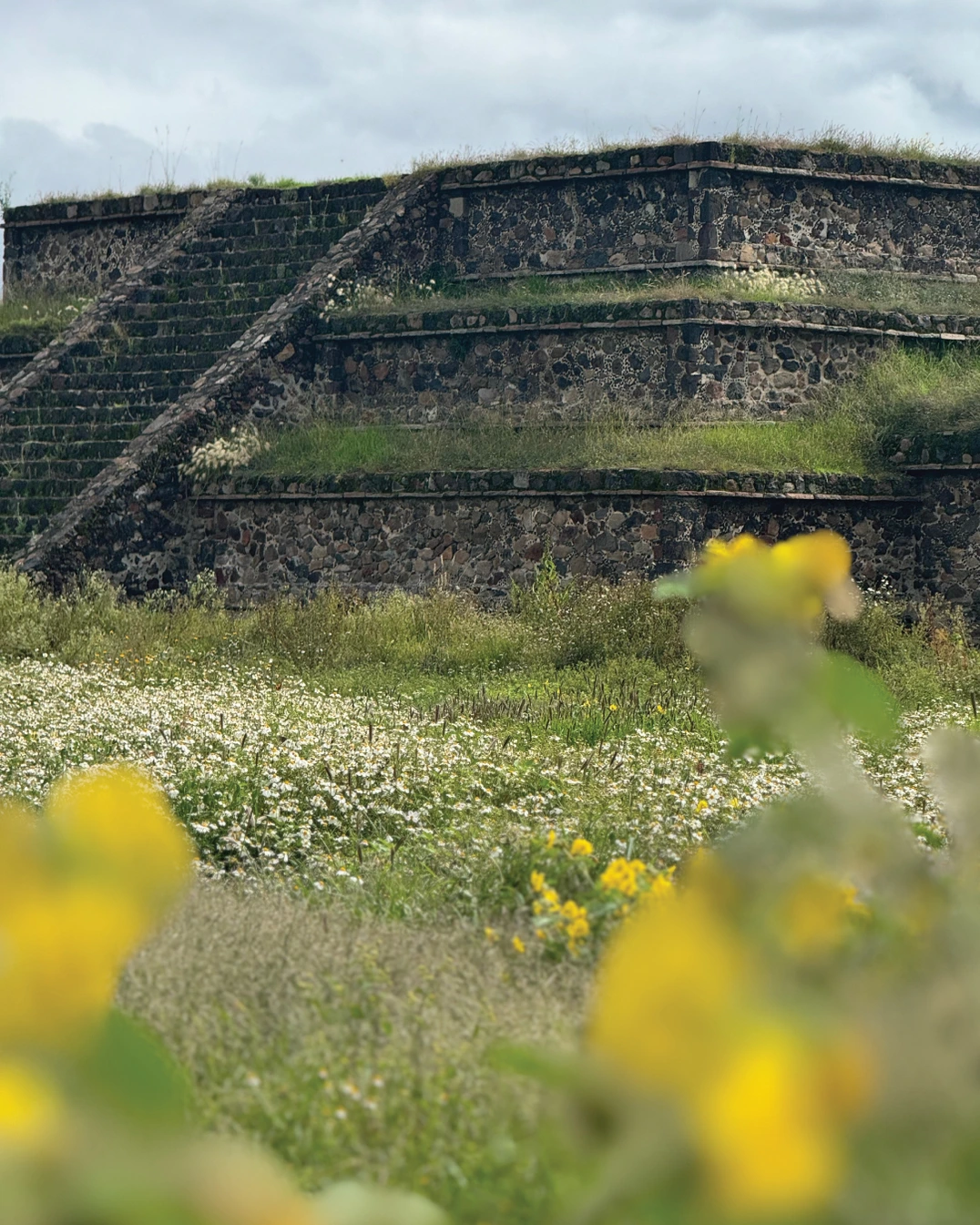
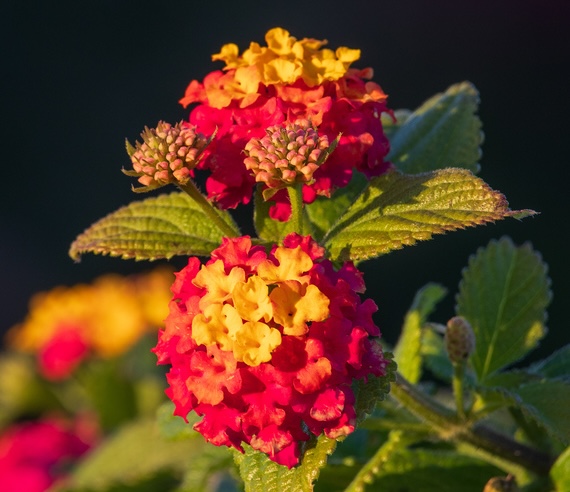
One of the most magical moments of my journey came near the Pyramids of the Sun and the Moon. The skies once clear, darkened and rain began to fall. The rare rain awakened wildflowers that had lain dormant for years. Vibrant blooms of purple, yellow, and red—mariposa lilies, Indian paintbrush—transformed the arid landscape into a living work of art. These flowers, unique to the region, only appear under specific conditions, as if nature itself were celebrating survival and renewal. Despite the scars, the spirit of the land endured, and I felt privileged to witness its resilience. The earth endures when we listen, not when we take.

The earth endures when we listen, not when we take.

This journey to Mexico is one of many that has shaped my vision for Aranyani. Travelling through these storied landscapes has shown me how forces like colonization, industrial development, and government policies have left deep marks on the earth. Yet amidst these scars, there is wisdom—a thread of reverence for nature that endures and offers a way back to balance. Aranyani is my attempt to bring these threads together, to inspire a deeper respect for the earth, and to awaken our shared responsibility to protect what remains.